
What makes a professional skill worth learning? A fresh perspective, deeper understanding of your work, or a chance to develop a specialty might come to mind. For people drawn to neuroscience and hands-on technology, neurofeedback brings those interests into the same conversation.
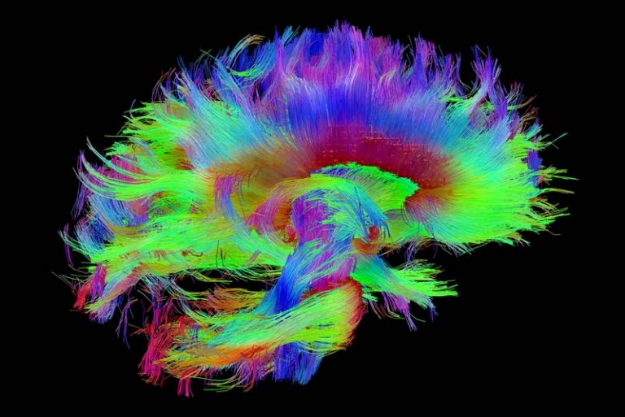
Exploring neurofeedback training courses starts with a question: how would this knowledge fit your professional goals? An appealing course title is only the beginning. Meaningful preparation involves understanding the science, checking your qualifications, and making room for guided practice.
The career appeal is worth exploring, but popularity alone shouldn’t drive your decision. Look for a learning path that builds useful skills and supports responsible work.
What Brain-Based Learning Means Here
Neurofeedback is a form of biofeedback focused on brain activity. In approaches using electroencephalography, or EEG, sensors record electrical activity from the scalp. Equipment translates selected measurements into visual or sound feedback to support learning to regulate aspects of that activity.
Think of a sound that changes in response to a measured signal. That feedback provides information during practice. In this context, “brain-based learning” refers to feedback-based training, not a promise of greater intelligence or better grades.
The National Library of Medicine’s overview of biofeedback explains the broader approach. It provides background on using bodily measurements as feedback, rather than proof that every neurofeedback method works for every condition.
A Specialty With a Professional Purpose
The strongest career reason to study a subject is a clear connection to your work. For someone interested in neuroscience, neurofeedback offers a focused topic to explore through technical instruction, research, and practical questions.
Start by identifying what interests you most. Is it understanding the equipment? Learning how practitioners evaluate session responses? Examining the research behind a specific approach?
Then connect that curiosity to a realistic professional objective. Speak with potential employers, experienced practitioners, or supervisors about the qualifications they expect. Ask what opportunities exist in your intended setting instead of assuming a certificate will create demand.
A useful next step is writing one sentence: “I want this education because…” A specific answer makes comparing programs much easier.
Look Beyond the Course Description
When comparing neurofeedback training courses, request a detailed syllabus. Look for explanations of brain function, equipment use, session procedures, ethical practice, and how they evaluate research. Ask what beginners should know before enrolling and how instructors assess progress.
Pay close attention to the balance between watching and doing. Will you observe demonstrations, practice skills, discuss cases, and receive individual feedback? Ask the provider to describe these activities clearly.
Also, check what happens when the course ends. Find out how long materials remain available, how questions are handled, and what additional mentoring costs.
A polished presentation isn’t enough to judge educational value. Compare programs against your learning needs, available study time, and access to appropriate supervision. Choose substance over impressive terminology.
Know What Your Certificate Actually Means
Course completion, professional certification, and permission to practice are different matters. The Biofeedback Certification International Alliance, or BCIA, lists several requirements for entry-level neurofeedback certification, including eligible educational preparation, a 36-hour accredited education program, practical mentoring, and an examination. Completing the classroom component alone does not make someone board certified.
BCIA also requires appropriate professional licensing or legally permitted supervision when using neurofeedback to treat medical or psychological disorders. Training does not replace those requirements. Before enrolling, confirm your eligibility and intended scope of work with the relevant certifying organization and professional regulator.
Ask each provider exactly what its certificate represents. Does the course satisfy a particular certification requirement, offer continuing education, or teach a specific method? Request a written answer.
Clear expectations protect your investment and give you a more accurate picture of the steps ahead.
Make Evidence and Mentoring Part of the Plan
As you evaluate neurofeedback training courses, ask how instructors discuss research. Which studies support the method being taught? Who participated? Was there a comparison group? Were outcomes measured beyond the training period?
Look for teaching that distinguishes a promising result from a firm conclusion. Testimonials might spark interest, but don’t treat them as substitutes for controlled research.
Practical guidance deserves equal attention. BCIA’s entry-level pathway includes 25 contact hours with an approved mentor, alongside requirements for reviewing sessions and case studies.
Ask how mentoring covers clinical decisions rather than only equipment troubleshooting. Discuss informed consent, documenting responses, recognizing concerns, and knowing when another professional should be involved.
Thoughtful questions belong in professional education. Choose an environment where uncertainty invites discussion rather than pressure to accept every claim.
Plan the Investment Before You Enroll
Tuition is one part of your planning. Request a written breakdown of any equipment, software, mentoring, examination, and ongoing education expenses. Clarify which items are required and which are optional.
Consider time just as carefully. Schedule realistic study periods and investigate where supervised practice would happen. A course that fits your calendar still needs a workable plan for applying what you learn.
Speak with a previous participant about the learning experience. Ask what preparation they wish they’d completed and how responsive instructors were when questions arose.
Finally, set a review point. After introductory study, pause to assess your interest, practical opportunities, and next steps before committing to further expenses.
Choose a Career Move That Fits
Neurofeedback training courses are a focused educational investment, not a shortcut to expertise or guaranteed income. The strongest path combines a clear professional purpose, careful program selection, research literacy, and supervised skill development.
Start with curiosity, then turn it into specific questions. A thoughtful decision today gives your next stage of learning a firmer foundation and a clearer sense of direction.
Explore Your Next Step
At Infraslow Associates, we offer infraslow neurofeedback workshops and practitioner mentoring that connect theoretical learning with practical guidance. Infraslow Associates Contact us to discuss your background, explore our educational options, and choose a next step that fits your professional goals.