
Foundation problems can affect more than the concrete under your house. They may change how doors close, how floors feel, and how confident you are about selling or staying. Before making a major decision, you need to know what moved you and why.
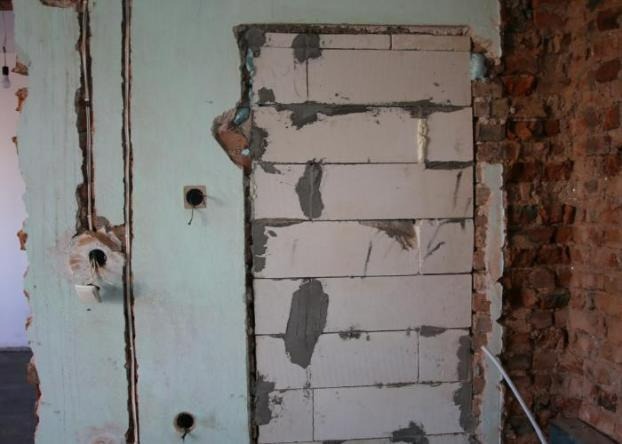
Cracks do not all mean the same thing. A stable shrinkage crack differs from a widening stair-step crack, leaning wall, or settling corner. Location, direction, width, and recent changes help identify the type of problem.
If you are considering house foundation repair Kokomo, begin with an inspection rather than a quick product purchase. An evaluation should document visible damage, floor changes, drainage, and signs of movement. That information gives you a sound starting point for repair, selling, or planning where to stay.
Start With the Cause, Not the Crack
Filling a crack may improve its appearance, but it does not correct soil movement, poor drainage, wall pressure, erosion, or a plumbing leak. If the cause remains active, the crack may reopen or new damage may appear nearby. This is why surface patching is not a substitute for diagnosis.
Watch for doors that suddenly stick, sloping floors, trim gaps, bowing walls, and cracks that grow over time. Note when each change began and take dated photos. A professional can compare those observations with elevation readings and site conditions to determine the next step.
Is Repair Worth the Investment?
A house foundation repair plan can protect structural stability and make future maintenance easier to manage. It may also remove a major source of concern during a property sale. The value depends on the damage, repair method, remaining condition, and your plans for the property.
Ask for a written explanation of the problem and proposed work. It should describe the affected area, materials, access needs, expected movement control, and warranty terms. Compare the included work rather than choosing based solely on the lowest total.
Know Where DIY Work Should Stop
You can monitor cracks, improve basic surface drainage, clean gutters, and keep downspouts directing water away from the structure. Structural correction is different. Excavation, wall bracing, pier installation, and work beneath load-bearing areas require proper equipment, calculations, and safety controls.
An incorrect repair can hide movement, redirect loads, damage utilities, or make later work harder. If a wall is leaning, a floor is dropping, or a crack is changing, schedule an evaluation. Do not enter an area that appears unstable or attempt to brace it with improvised materials.
Can You Stay During the Work?
Many foundation projects allow you to remain in the house, but the answer depends on the repair method and site conditions. Noise, vibration, dust, blocked entrances, utility interruptions, and equipment near the house can affect daily routines. Larger structural work may require temporary relocation.
Before work starts, ask which rooms and entrances will be affected. Confirm how pets, furniture, and vehicles should be managed. The contractor should explain utility shutoffs, work hours, emergency access, and when you must leave for safety.
Selling a House With Foundation Problems
A foundation concern does not always prevent a sale, but hiding known damage can create serious trouble. Disclosure and documentation requirements vary by location and transaction. Review your responsibilities with a qualified real estate or legal professional before listing the property.
Gather inspection reports, repair proposals, invoices, permits, warranties, and monitoring records. Clear documents help a buyer understand what was found and what work was completed. If you sell before repairs, the price and contract terms may reflect the condition and expected scope of work.
What Affects Repair Cost and Timing?
Professional house foundation repair can range from a focused crack treatment to extensive stabilization. Cost depends on the foundation type, damaged area, soil conditions, access, repair system, labor, engineering needs, permits, and restoration after the structural work. A quote should separate included work from possible additions.
There is no single best season for every project. Some methods can be completed for much of the year, while heavy rain, frozen soil, or extreme temperatures may affect excavation and material handling. Active movement or water entry should be evaluated promptly instead of waiting months for a preferred date.
Review Insurance Before Assuming Coverage
Your insurance policy may cover structural damage caused by a listed event, but exclusions for maintenance, settlement, earth movement, and water-related causes can change that. The exact cause matters. Read the policy and contact the insurer before arranging covered emergency work or discarding damaged materials.
The NAIC guidance on property coverage explains that coverage depends on the perils, exclusions, limits, and deductibles written into the contract. Keep photos, inspection notes, and repair estimates. Ask for claim decisions and coverage explanations in writing.
How Long Can a Foundation Last?
A well-designed foundation can serve for many decades, but its lifespan is not determined by age alone. Soil movement, drainage, construction quality, plumbing leaks, nearby excavation, and maintenance all affect performance. An older foundation may remain stable, while a newer one can develop trouble when support conditions change.
In severe cases, damaged sections can be rebuilt or replaced. Complete replacement usually requires the structure to be carefully supported, even if the entire house is not lifted at once. Staged underpinning or temporary supports may allow work in sections. The method must match the structure and site.
Conclusion
Timely house foundation repair starts with understanding the cause and the amount of movement. An inspection can help you decide whether you can remain in the house, what work should be done by a professional, how to prepare for a sale, and which documents to keep.
For a clear evaluation and practical repair options, contact Kokomo Foundation Repair Experts. We can review the visible damage, explain the next steps, and help you plan the work with fewer surprises.