
A damp basement often starts with a narrow crack, a musty odor, or a small puddle after rain. The water disappears, so the warning feels easy to dismiss. Moisture may remain inside concrete, flooring, insulation, boxes, and wall cavities. Repeated wetting turns one small problem into damaged finishes, mold growth, electrical concerns, and larger repair bills. That timing matters because hidden moisture keeps working long after the visible puddle has dried.
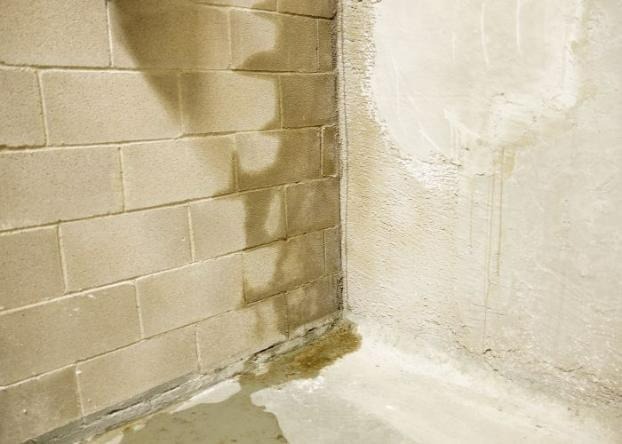
When comparing basement waterproofing Chattanooga options, study how water enters and where it travels next. Runoff, groundwater pressure, clogged drains, foundation movement, failed pumps, and indoor humidity need different responses. A surface patch may cover the visible symptom while moisture keeps moving behind it. Early inspection keeps the work focused on the source before more materials become involved.
Why Basement Waterproofing Problems Grow Costly
Water follows openings in cracks, joints, porous masonry, and spaces around pipes. Each wet period may carry minerals through concrete, soften nearby soil, or keep wood and insulation damp. The first repair might involve drainage correction or crack treatment. Delayed action may later require drywall removal, flooring replacement, mold cleanup, electrical work, or structural repair.
Costs rise because one moisture issue creates several secondary problems. A wet wall affects paint and insulation. Water along the floor edge reaches baseboards and finished flooring. A failing sump pump turns gradual seepage into sudden flooding. Finding the cause early limits how far the damage spreads.
Small Cracks Become Large Water Paths
Hairline cracks sometimes form while concrete cures, but changes in width, length, direction, or moisture deserve attention. Water passing through a crack may leave white mineral deposits, stain walls, and carry fine soil away from the foundation. Seasonal movement also reopens patches applied without studying why the crack formed.
Mark each crack endpoint with a pencil and take dated photos. Note whether moisture appears during storms or remains during dry weather. Diagonal, stair-step, horizontal, or widening cracks need professional review, especially when doors stick, floors slope, or walls begin bowing.
Floor Joint Seepage Damages Finished Spaces
The joint where the wall meets the floor is a common entry point when groundwater pressure rises. Water may first appear as a thin line around the perimeter, then move beneath carpet, vinyl, laminate, or stored boxes. Finished surfaces often hide the wet area until stains, odors, or soft materials appear.
Drying the puddle does not reduce pressure below the slab. An interior drainage channel may collect water and direct it toward a sump basin. Exterior grading, gutters, and downspouts may also need correction so less water reaches the foundation soil.
Poor Drainage Keeps Pressuring Basement Walls
Short downspouts, overflowing gutters, low spots, clogged drains, and soil sloping toward the building send rainwater toward the basement. Saturated soil places pressure against foundation walls and increases seepage through cracks, joints, and masonry pores. Repeated saturation also contributes to soil movement around the structure.
Walk around the building during rain and watch where water collects. Extend downspouts, clear gutters, correct settled soil, and keep discharge lines open. These steps reduce water near the foundation, though existing cracks, damaged drains, or wall movement still require repair.
Sump Pump Failure Brings Sudden Flooding
A sump pump may sit quietly for weeks, then become essential during a storm. A stuck float, clogged intake, failed switch, blocked discharge line, power outage, or undersized pump may allow the basin to overflow quickly. Water then reaches stored items, finished walls, outlets, appliances, and flooring.
Test the pump by adding water to the basin. Confirm that it starts, removes water, and shuts off normally. Check the exterior discharge point and listen for grinding or rattling. A battery backup and alarm provide added protection during power loss or primary pump failure.
Persistent Moisture Leads To Mold Growth
Damp drywall, carpet, wood, cardboard, and insulation create conditions for mold. Covering stains or running a dehumidifier without correcting the leak leaves the moisture source active. Odors often return because hidden materials remain wet.
The EPA mold and moisture guidance explains that moisture control is central to mold control. Wet materials should be dried promptly, and the leak or seepage source needs correction before cleanup is complete. Large affected areas or contaminated floodwater call for professional handling and proper protective equipment.
Peeling Coatings Hide Ongoing Water Pressure
Bubbling paint, white mineral deposits, flaking masonry, and dark stains show that moisture is moving through or across a wall. Waterproof coatings may reduce light dampness on a sound surface, but they do not relieve groundwater pressure or repair moving cracks.
Adding another coat may trap moisture or push seepage toward an untreated area. The wall needs inspection for cracks, poor drainage, and deteriorated mortar before cosmetic work begins. Coatings perform best after the water source has been corrected.
Temporary Patches Often Increase Repair Costs
Caulk, hydraulic cement, sealers, and patching compounds have useful roles when matched to the right condition. Trouble begins when every leak receives the same treatment. A patch may fail because pressure remains behind it, the crack keeps moving, or water enters from another location.
Before applying a product, identify the water path and follow the manufacturer’s instructions. Avoid covering active damage before an inspection when the crack pattern may reveal structural movement. One targeted repair costs less than repeating temporary fixes and replacing wet finishes later.
Conclusion
Basement seepage grows expensive when it reaches more materials, runs longer, or signals movement that remains untreated. Cracks, floor joint water, drainage trouble, pump failure, mold, and peeling coatings are connected clues. Tracking when each symptom appears makes the source easier to identify.
Chattanooga Basement Waterproofing & Repair evaluates moisture paths, drainage, foundation conditions, and pump performance before proposing work. Acting while damage remains limited keeps the repair focused and protects your basement from a small leak becoming a major restoration project.